Pikd used ViroReact to land Red Bull, Burger King, and 30 other brands
Toch Emuwa and his team built Pikd - a gamified AR platform for brand engagement - on ViroReact. Because it was open source, they could build on top of it, extend it as the product grew, and ship to iOS and Android from one codebase - all while landing brands like Red Bull and Burger King.
 Built with
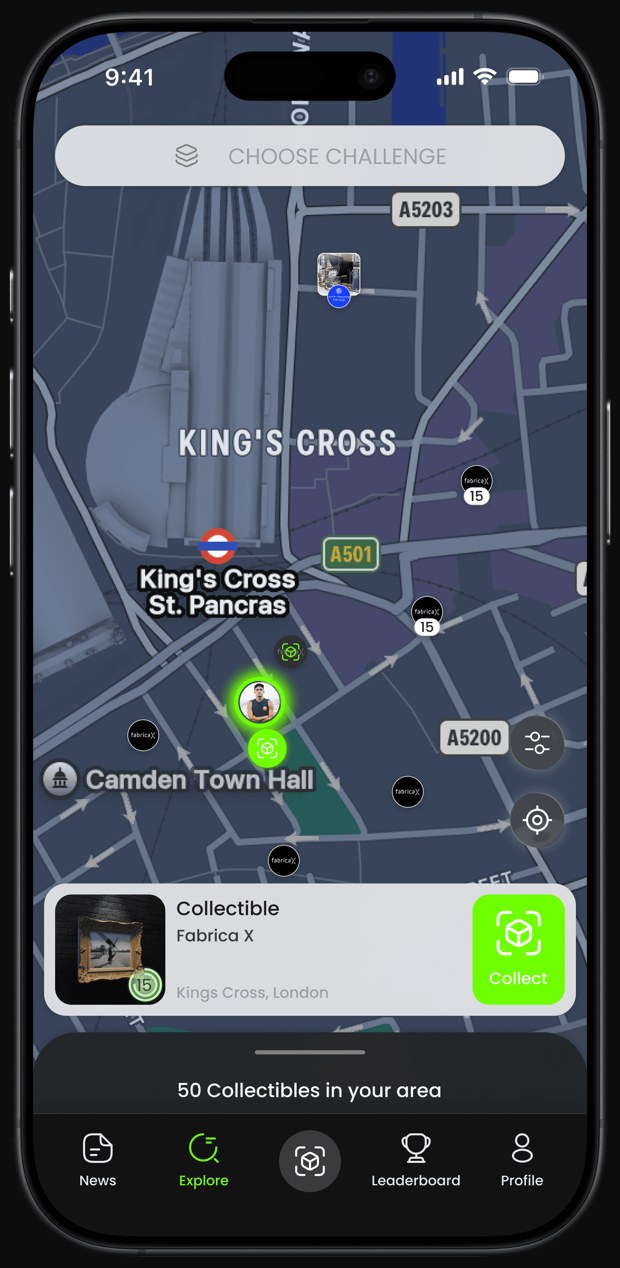
Pokemon Go, but for brands
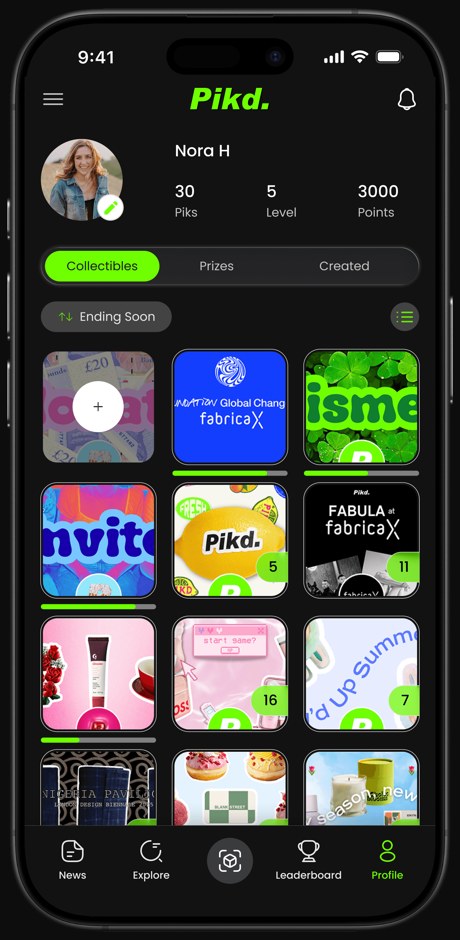
Pikd started with a simple observation from Toch's co-founder, who comes from a media background. His grandmother used coupons all the time, but he didn't know anyone his age who did. The question was: what would couponing look like if it was actually fun?
The answer he landed on was Pokemon Go meets brand rewards. You walk around a real neighbourhood, collect AR items through your phone camera, and win prizes from actual businesses. Then you walk into the store and redeem them. For brands, it's measurable in-person engagement at a fraction of what traditional experiential marketing costs, and it scales in a way that physical events can't.
The company started in 2021 as a Web3 play with NFT collectibles, then the market shaped them into something more practical - a platform where any brand can create location-based AR campaigns for younger consumers who are increasingly hard to reach through online channels alone.
Niantic was closed, Vuforia didn't fit
When Pikd needed AR for their first build, the options didn't fit how they wanted to work. Niantic's platform was closed and expensive, and they hadn't proven the business model yet. Vuforia didn't fit their stack. They wanted something open source they could build on directly - shape to their product, add their own features, and extend as they grew - while shipping to iOS and Android from a single React Native codebase.
ViroReact came up during research, and it held up. Being open source was the deciding factor: they weren't locked into someone else's roadmap, they could build their own features on top, and they had full visibility into how the AR layer worked. For a team that planned to grow their platform over time, that mattered more than anything else.
"We were able to test things quite quickly with this, and because it's open source we didn't have to worry too much about the AR side of things. That gave us the confidence and the time to build on top of it."
 Toch EmuwaCo-founder & CEO, Pikd
Building on an open foundation
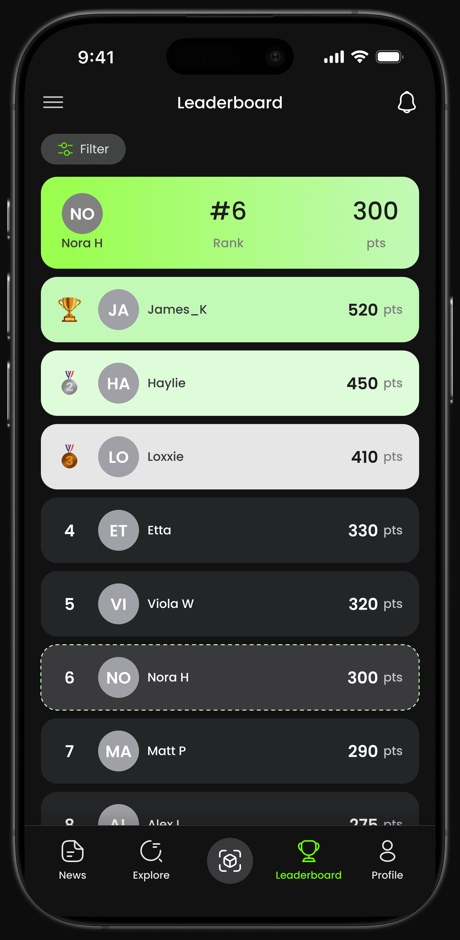
Toch handles product and works closely with the engineering side, while the build itself sits with his co-founder Apted (CTO) and the development team. Because ViroReact is open source, they could build directly on top of it and add the features their product needed, rather than fitting their ideas into the limits of a closed tool.
They moved quickly. The AR layer was the part they didn't have to think hard about - it handled the rendering and the camera work, which freed the team to focus on what made Pikd unique: the rewards engine, the brand dashboard, and the location-based mechanics that turn a neighbourhood into a game board. As the product matured, they kept extending what they'd built, adding richer AR and tighter location accuracy with each iteration.
That's the advantage of an open foundation. The hard, differentiated work went into their own product, and the AR rendering was handled by a layer they could see into, shape, and grow with.
Red Bull, Burger King, and 30 other brands
While running on ViroReact, Pikd engaged between 10,000 and 12,000 users and worked with over 30 businesses. The client list included Red Bull, Burger King, a football club in Kazakhstan, and the London Design Biennale where they partnered with the Nigerian Pavilion to extend the exhibition experience beyond the physical venue using AR.
The commercial side grew faster in Kazakhstan, where they started testing early. The UK side is now scaling, and they have a small presence in Nigeria too. The team is nine people across the three countries.




Open source meant Pikd could own how they used the technology. They could build on the AR layer, extend it, and adapt it as their product matured - never waiting on a vendor's roadmap or working around the limits of a closed system. That control is what let a small team build something brands like Red Bull would put their name on.
Putting AR in every brand's hands
Pikd is about to release a self-service dashboard where any brand can build an end-to-end AR campaign in minutes, with no developer required. Alongside it, they're expanding the experience itself - mini-games, AI characters, sharper AR placement, and in-world navigation.
The bigger goal is to make location-based AR something any brand can run on its own, at scale, without the cost of a custom build. The foundation they built is what makes that next step possible.
"I think it's a very good tool to get to market quickly if you're testing things out, especially if you're a developer team or an engineer. It has history, it's been there for a while, there's an interesting community, and it's open source. You can build bigger things on it - I know some people are doing some amazing things on it."
Toch EmuwaCo-founder & CEO, Pikd - London, UK
Gamified AR brand engagement for the real world.
Building a location-based AR experience?
ReactVision gives React Native developers everything they need to build and ship AR and VR. No game engine required.